
-

Invasion of the home robots: Is our privacy safe?
For better or worse, humanoid robots have become a common sight over the past few years, often found working in public places like restaurants, hotels, and airports. And while home robots—and we mea...
-

Video: 9 tips for safer online shopping
https://www.youtube.com/watch?v=DUYXOR_pW-w Black Friday and Cyber Monday are upon us again, falling on November 25 and 28, respectively. While these dates and the weekend they sandwich are the highli...
-
Risks of downloading pirated, or ‘cracked,’ software and games
Whether it’s the latest game release or a new app you’d rather not pay for, pirating software is never the answer. While it’s tempting to consider, using illegal software often causes more probl...
-
It’s shockingly easy for someone to get your Instagram account banned
Influencers on Instagram who use the platform to earn a living often treat their postings like a full-time job. It takes time and effort to build a large following, which is valuable when it comes to ...
-
Internet surveillance in 5, 9, and 14 eyes countries
The Five Eyes (also known as 5 Eyes or FVEY) alliance can be traced to informal discussions between the U.S. and the UK during World War II, in which the countries agreed to share intelligence about i...
-
7 breaches, hacks, and leaks you might have missed this year
Cybersecurity Awareness Month couldn't have kicked off in more dramatic fashion: Facebook, WhatsApp, and Instagram went offline, the entirety of Twitch was leaked, CoinBase got hacked, and the company...
-
Guide: Protect your privacy at the workplace
We wrote about the prospect of getting back to the office back in March—but we spoke too soon. Depending on where you live, a large chunk of office workers who started working from home because of C...
-
Eye in the sky: The history of the spy plane
It’s a bird! It’s a plane! Yes, it's a spy plane! It was recently revealed that in 2020, an FBI aircraft surveillance program logged over 400 hours in monitoring a man in Florida, who was eventual...
-

ExpressVPN to join Kape to strengthen push for privacy
Since 2009, ExpressVPN has been leading the way in digital privacy and security. But we’ve always known that our mission is far bigger than one company. We believe that to make the broadest impact p...
-
New: Connect to multiple VPN locations on your router
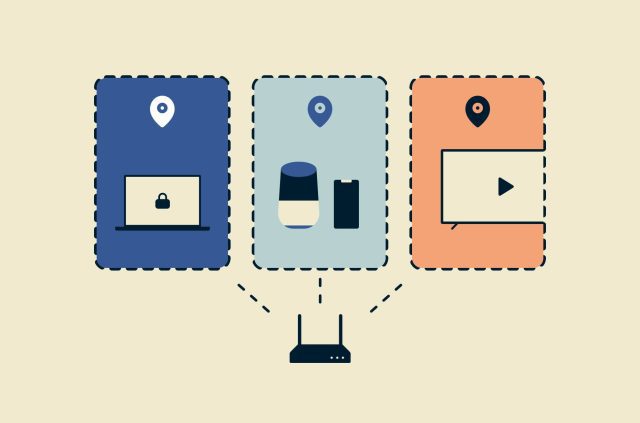
People who have ExpressVPN on their router love that they can enjoy the benefits of a VPN on unlimited devices, including smart TVs and game consoles—whatever is connected to their VPN router. But t...
Fall sports offer: Save 80% and secure live sports coverage for less.
Secure every game this Fall with 80% off. Get deal
Get discount